The Best Plant Pest Control Solutions For Your Garden
Plant pests can wreak havoc on farmers’ crops, causing significant damage and losses. Controlling these pests is essential to ensure the health and productivity of plants, as well as to protect the farmers’ livelihoods. There are various methods and strategies available for plant pest control, ranging from cultural practices to chemical treatments.
In this article, we will explore the importance of plant pest control, the various types of pests that can affect plants, and the different methods that can be used to manage and eliminate these pests. By understanding how to effectively control plant pests, farmers can mitigate the potential damage caused by these invaders and ultimately improve their crop yields.
The Importance of Plant Pest Control
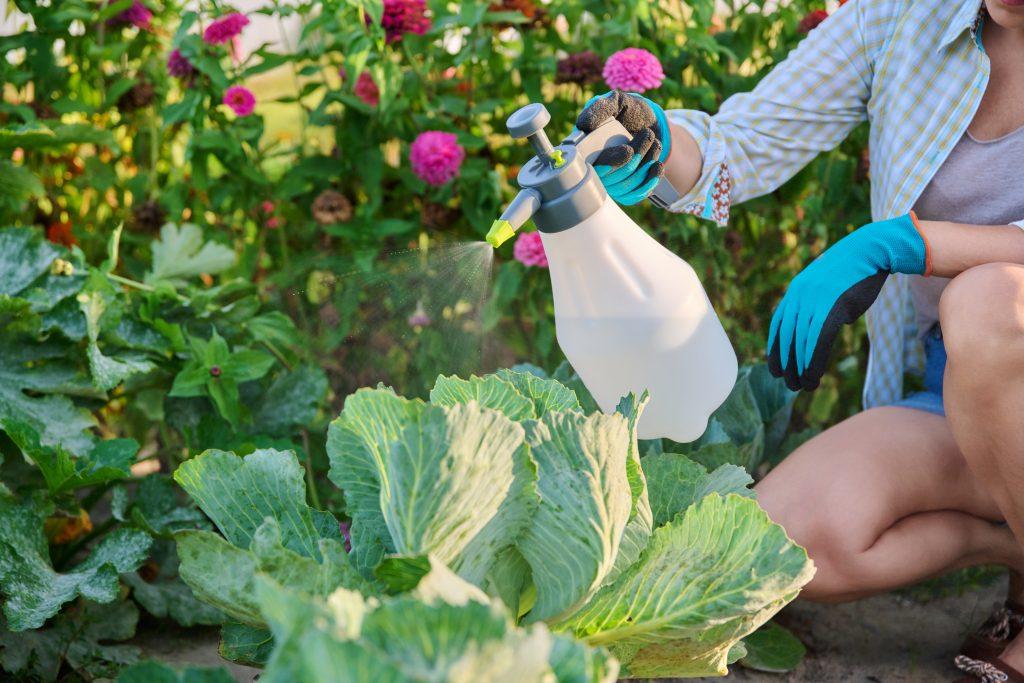
Plant pest control is crucial for farmers to maintain the health and productivity of their crops. Pests such as insects, weeds, and diseases can spread quickly and cause extensive damage if left unchecked. Farmers need to employ various pest control methods to protect their plants and prevent significant losses. By implementing effective control measures, farmers can safeguard their livelihoods and ensure a bountiful harvest. Utilizing Advanced pest control for hydroponics can provide innovative solutions to tackle plant pests in a sustainable and efficient manner.
Managing Plant Pests
There are different types of pests that can affect plants, including aphids, caterpillars, mites, and fungi. Farmers must be vigilant in identifying these pests and implementing appropriate control measures to mitigate their impact. Cultural practices such as crop rotation, companion planting, and maintaining soil health can help prevent pest infestations. Additionally, biological controls, such as introducing natural predators or using biopesticides, can be effective in managing plant pests without harmful chemicals. By employing a combination of these methods, farmers can effectively protect their crops from damage and improve their overall yield.
In conclusion, plant pest control is essential for farmers to protect their crops and livelihoods from the devastating effects of pests. By utilizing a combination of cultural practices, biological controls, and innovative solutions, farmers can effectively manage and eliminate plant pests without relying solely on harmful chemicals. Vigilance and proactive pest management strategies are key to ensuring the health and productivity of plants, ultimately leading to improved crop yields and increased sustainability in agriculture. By understanding the importance of plant pest control and implementing appropriate measures, farmers can safeguard their crops and secure a successful harvest.