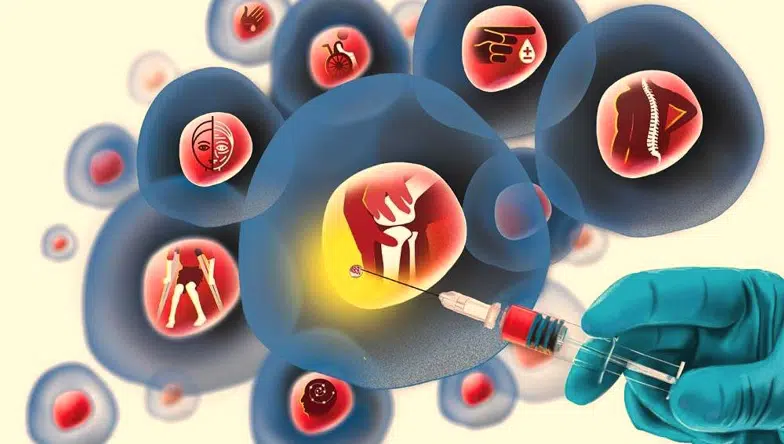
How To Use Stem Cell Therapy
Stem cell therapy has emerged as a groundbreaking medical treatment that holds immense promise for a wide range of diseases and disorders. These specialized cells have the unique ability to develop into various types of cells in the body, offering the potential to regenerate damaged tissues and organs. This revolutionary approach to healthcare has opened up new avenues for treating conditions such as heart disease, diabetes, Parkinson’s disease, and even spinal cord injuries.
With ongoing research and advancements in regenerative medicine, stem cell therapy continues to be at the forefront of medical innovation. As scientists unlock the full potential of these remarkable cells, the possibilities for improving patient outcomes and quality of life are endless. In this article, we will delve deeper into the science behind stem cell therapy, its applications in different medical fields, and the ethical considerations surrounding this cutting-edge treatment.
Applications in Medical Fields
Stem cell therapy has shown remarkable versatility in its applications across various medical fields. In cardiology, these cells have been used to repair damaged heart tissue after a heart attack, potentially preventing heart failure and improving cardiac function. In the field of orthopedics, stem cell therapy is being explored as a non-invasive treatment for conditions like osteoarthritis and tendon injuries, with promising results in reducing pain and promoting tissue regeneration. Moreover, in neurology, researchers are investigating the use of stem cells to restore neural function in conditions such as Alzheimer’s and multiple sclerosis. The best stem cell therapy in Mexico offers cutting-edge solutions for patients seeking innovative treatments across these medical specialties.
Ethical Considerations
Despite the immense potential of stem cell therapy, ethical considerations surrounding its use remain a topic of debate. One of the primary ethical concerns is the source of the stem cells, particularly embryonic stem cells, which are derived from human embryos. This has led to discussions about the moral implications of using these cells for research and treatment purposes. On the other hand, adult stem cells, which can be obtained from sources like bone marrow or adipose tissue, offer a more ethically acceptable alternative. As research continues to progress, finding a balance between harnessing the therapeutic benefits of stem cells and respecting ethical boundaries remains a crucial aspect of advancing this revolutionary field of regenerative medicine.
In conclusion, stem cell therapy continues to revolutionize the field of medicine with its potential to treat a wide range of diseases and conditions. From repairing damaged heart tissue to promoting tissue regeneration in orthopedic injuries, the applications of stem cell therapy across different medical specialties hold immense promise for improving patient outcomes. However, the ethical considerations surrounding the use of stem cells, particularly embryonic stem cells, remain a contentious issue that requires careful and thoughtful deliberation. As researchers continue to advance in this field, striking a balance between medical innovation and ethical boundaries will be essential to unlocking the full potential of stem cell therapy and ensuring its responsible use in healthcare.