Efficient Laundry Tips: Expert Advice For Effective Laundry Care

Laundry is an essential aspect of our daily lives that often goes unnoticed and underappreciated. From the piles of dirty clothes to the fresh, clean-smelling garments we put on, laundry plays a vital role in maintaining our hygiene and appearance. Whether done at home or at a laundromat, the process of washing and drying clothes involves a combination of time, effort, and efficient techniques to ensure optimal results.

From ancient times when laundry was done by hand in rivers and streams to the modern era of washing machines and dryers, laundry methods have evolved significantly. Nowadays, with easy access to a wide range of detergents and fabric softeners, it has become easier than ever to keep our clothes fresh and clean. However, doing laundry efficiently is not just about throwing clothes into a machine; it requires knowledge of different fabrics, stains, and temperature settings. Understanding laundry symbols and choosing the right washing cycles are also crucial skills that help preserve the lifespan of our clothes.

Convenient Laundry Services in San Jose

For residents in San Jose, California, keeping up with laundry can be a daunting task. This is where San Jose wash and fold services come in handy. With their efficient and reliable laundry services, residents can take a load off their shoulders (literally!) by handing over their dirty laundry to professionals who will ensure it is washed, dried, and folded to perfection.

Time-Saving and Reliable

Using the san jose wash and fold service is a convenient option for those who lead busy lives and struggle to find time for household chores. By using this service, individuals can save precious time and focus on other important tasks. Additionally, the professionals guarantee reliability, ensuring that clothes are not only impeccably clean but also delivered back to the customer on time. Whether you’re a busy professional, a busy parent, or someone looking to free up some time, the wash and fold service in San Jose is a valuable solution.

In addition to saving time, utilizing a wash and fold service in San Jose offers a level of convenience that is hard to match. Instead of spending hours sorting, washing, drying, and folding clothes, residents can simply drop off their laundry and trust that it will be taken care of by skilled professionals. The service offers a hassle-free solution for individuals who may not have access to laundry facilities or prefer to outsource this task. With reliable and efficient service, residents can look forward to receiving their freshly cleaned and neatly folded laundry, allowing them to effortlessly maintain a clean and organized wardrobe. Whether it’s for the busy professional, the overwhelmed parent, or anyone looking to reclaim some time in their day, the wash and fold service in San Jose provides a valuable and convenient solution for all of their laundry needs.


Effective Dog Training Techniques: Proven Methods For Well-Behaved Pets

Dog training is an essential aspect of responsible pet ownership. It not only helps create a well-behaved and disciplined canine companion but also fosters a strong bond between the dog and its owner. Training a dog requires patience, consistency, and understanding of the animal’s behavior. This article aims to provide valuable insights into the various methods and techniques that can be employed to effectively train dogs, ensuring a harmonious relationship within the household.

From basic obedience commands to more advanced tricks, dog training covers a wide range of skills that help dogs develop good manners and adapt to different situations. Whether it is teaching them to sit, stay, or come when called, or addressing specific behavioral issues such as excessive barking or chewing, a well-trained dog is a joy to be around. Additionally, training can also be a fun and stimulating activity for both the dog and the owner, offering mental and physical stimulation for the furry friend.

Local Dog Training Services

Are you in need of dog training services? Look no further! Our local dog training center offers professional and experienced trainers who can help you and your furry friend. Whether you have a new puppy or an older dog, we have the expertise to address any behavioral issues and provide effective training techniques. Dog training near me is made easy with our convenient location and flexible scheduling options. Contact us today to start your dog’s training journey!

In conclusion, dog training plays a vital role in ensuring a well-behaved and happy canine companion. It not only enhances the dog’s manners and obedience but also strengthens the bond between the dog and its owner. With the right approach, patience, and consistency, dog owners can successfully train their furry friends to be a joy to be around. Investing in professional dog training services can also provide additional support and guidance in addressing specific behavioral issues. So, whether you have a new puppy or an older dog, consider enrolling them in a dog training program to unlock their full potential and enjoy a harmonious relationship within your household.

Breaking Point: Recognizing When Water Damage Demands Action

Water damage can be insidious, creeping into your property silently and causing havoc before you even notice. As a property owner or manager, it’s vital to recognize the signs of water damage and act promptly to mitigate its effects. Discover the most effective techniques for handling water damage repairs and reclaiming your home’s safety and aesthetics. In this comprehensive guide, we will shed light on the critical aspects of identifying and addressing water damage, emphasizing the importance of swift action and effective restoration.

Understanding Water Damage

What is Water Damage?

Water damage refers to the destruction or deterioration of a material or system due to water intrusion. This can result from various sources, including natural disasters like floods, heavy rainfall, or even man-made problems like plumbing leaks, burst pipes, or appliance malfunctions. The impact can range from mild dampness to severe structural damage, depending on the extent and duration of exposure.

Types of Water Damage

Water damage can be categorized into various types based on the source and the level of contamination:

1. Clean Water Damage 

Clean water damage originates from a clean and uncontaminated source, such as broken pipes, sink overflows, or rainwater. While this water is initially safe, it can become contaminated if left unattended for an extended period.

2. Greywater Damage

Greywater damage involves slightly contaminated water, usually from appliances like washing machines, dishwashers, or sump pump failures. This water may contain chemical or biological elements that could pose health risks.

3. Blackwater Damage 

Blackwater damage is the most severe category, involving highly contaminated and dangerous water. This water comes from sewage backups, flooding from rivers or streams, or standing water with microbial growth. It presents serious health risks and should be handled with extreme caution.

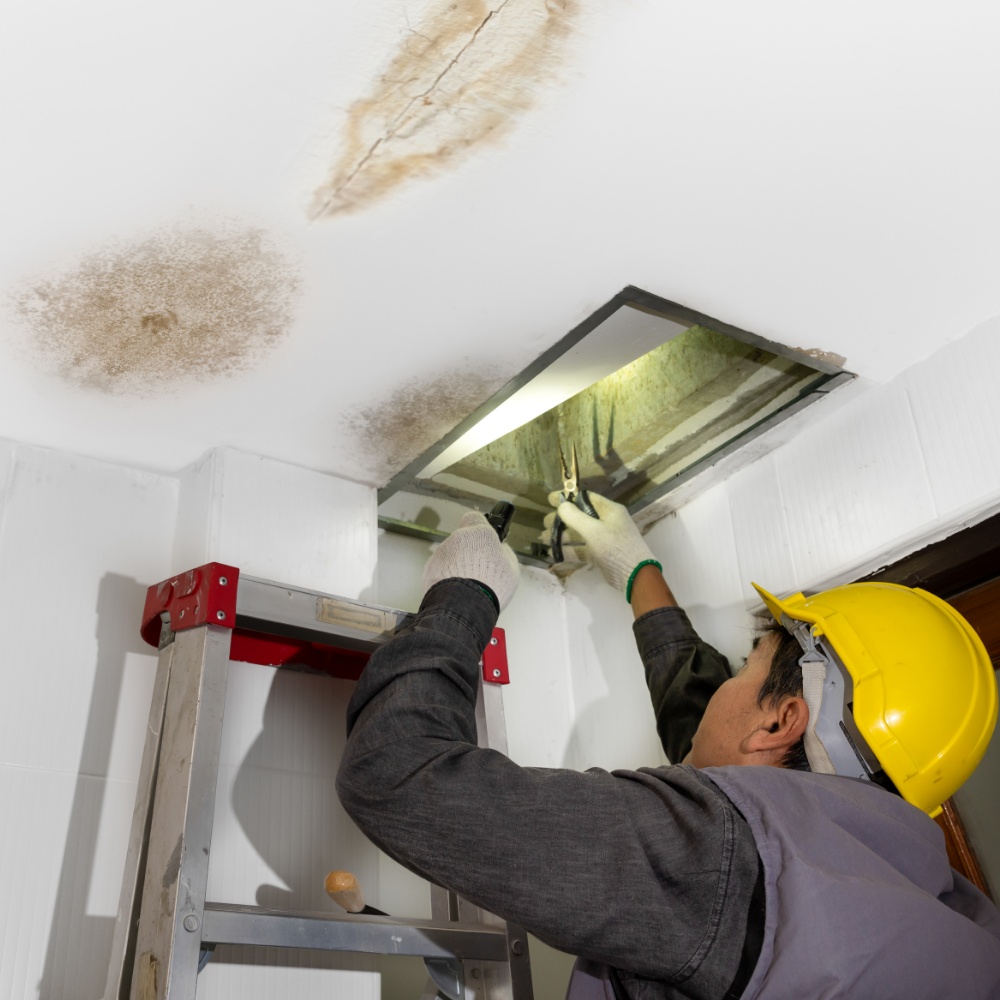
How Much Does Ceiling Repair Cost? (2023) - Bob Vila

Recognizing the Signs of Water Damage

1. Discoloration and Stains

Unexplained stains on ceilings, walls, or floors could indicate a leaky roof, pipe, or appliance. These stains often start as small patches but can grow over time if the water source remains unchecked.

2. Musty Odors

A persistent musty smell, often resembling dampness or mold, could be a sign of hidden water damage. Mold and mildew thrive in damp environments and can release unpleasant odors.

3. Warped or Buckled Flooring

Wooden flooring or laminates may warp or buckle when exposed to water, indicating water has seeped into the material. This not only looks unsightly but can compromise the structural integrity of the flooring.

4. Mold Growth

The presence of mold or mildew, often visible as dark patches or fuzzy growth, suggests excessive moisture accumulation. Mold can cause health issues and further damage the property if not addressed promptly.

Taking Action: Steps to Address Water Damage

1. Assess the Situation

Upon identifying signs of water damage, conduct a thorough assessment to determine the extent of the damage and potential safety risks. This will help in devising an appropriate action plan.

2. Stop the Source

If possible, identify and stop the source of water intrusion to prevent further damage. This could involve shutting off water mains, fixing leaks, or addressing appliance malfunctions.

3. Remove Standing Water

Promptly remove any standing water using pumps, vacuums, or other water extraction equipment. The faster the water is removed, the lower the risk of extensive damage.

4. Dry and Dehumidify

Thoroughly dry affected areas using fans, dehumidifiers, and proper ventilation. Complete drying is crucial to prevent mold growth and further structural damage.

5. Disinfect and Clean

Disinfect and clean all affected surfaces to minimize health risks associated with contaminated water. Use appropriate cleaning agents to ensure a safe environment.

Conclusion

Recognizing the breaking point when water damage demands action is essential for preserving the integrity and safety of your property. Understanding the types of water damage, identifying signs of damage, and taking swift and appropriate action can make a significant difference in the outcome of a water damage incident. Remember, addressing water damage promptly and effectively can save you from extensive repairs and potential health hazards.

Arthritis Relief: Managing Joint Pain and Inflammation with CBD

Arthritis Relief: Managing Joint Pain and Inflammation with CBD

Arthritis is a common and debilitating condition that affects millions of people worldwide, leading to chronic joint pain, stiffness, and reduced mobility. Traditional treatments for arthritis often come with side effects and may not provide complete relief. As a result, many individuals are exploring alternative remedies like CBD (cannabidiol) to manage their arthritis symptoms and improve their quality of life. In this article, we delve into what is delta 10 vs delta 9 the potential of CBD as a natural and effective solution for arthritis relief.

Understanding Arthritis

Arthritis is a broad term that encompasses over 100 different types of joint inflammation conditions. The two most common forms of arthritis are osteoarthritis (OA) and rheumatoid arthritis (RA):

  1. Osteoarthritis (OA): OA is characterized by the gradual breakdown of cartilage in the joints, leading to pain, swelling, and decreased joint flexibility. It typically affects weight-bearing joints like the knees, hips, and spine.
  2. Rheumatoid Arthritis (RA): RA is an autoimmune disease where the immune system attacks the synovium, the lining of the membranes that surround the joints. This leads to chronic inflammation, joint damage, and systemic symptoms like fatigue and fever.

Arthritis symptoms can significantly impact a person’s quality of life, limiting their ability to perform daily activities and enjoy an active lifestyle.

The Potential Benefits of CBD for Arthritis Relief

CBD offers several potential benefits for individuals seeking arthritis relief:

  1. Pain Management: CBD’s analgesic (pain-relieving) properties may help alleviate joint pain, making it easier for individuals with arthritis to move and function.
  2. Anti-Inflammatory Effects: Arthritis involves inflammation of the joints. CBD’s potent anti-inflammatory properties can reduce inflammation and associated discomfort.
  3. Joint Protection: Some studies suggest that CBD may protect joint tissues from further damage by inhibiting inflammation and promoting the repair of cartilage.
  4. Stiffness Reduction: CBD’s potential to relax muscles and promote relaxation may help reduce stiffness in arthritic joints.
  5. Sleep Improvement: Arthritis pain can interfere with sleep. CBD’s potential to improve sleep quality may provide relief for individuals with arthritis-related sleep disturbances.

Incorporating CBD into Your Arthritis Management

If you’re considering using CBD to manage arthritis symptoms, follow these steps:

  1. Consultation: Talk to a healthcare provider knowledgeable about CBD and arthritis to ensure it aligns with your treatment plan and specific health needs.
  2. Product Selection: Choose high-quality CBD products designed for arthritis relief from reputable sources. Look for products with third-party lab testing to ensure purity and potency.
  3. Dosage: Start with a low CBD dose and adjust it gradually to achieve the desired pain relief while monitoring any potential side effects.
  4. Consistency: Consistent use of CBD may be necessary to experience its full potential benefits for arthritis management.
  5. Lifestyle Modifications: Complement CBD use with a healthy lifestyle, including exercise, a balanced diet, and weight management, as these factors can influence arthritis symptoms.

Arthritis can significantly impact a person’s quality of life, but CBD offers a natural and promising solution for managing joint pain and inflammation. While research on CBD and arthritis is ongoing, its analgesic and anti-inflammatory properties suggest that it may provide relief for individuals seeking alternatives to traditional arthritis treatments. To ensure the safety and effectiveness of CBD use for arthritis, collaborate closely with a healthcare provider who can provide personalized recommendations based on your specific needs and arthritis type. By incorporating CBD into your arthritis management plan, you can work towards reducing pain, improving joint function, and enhancing your overall well-being.

Construction Site Waste Management and Recycling

Construction Site Waste Management and Recycling

Construction site waste management and recycling are vital components of sustainable construction practices. Proper waste management not only reduces the environmental impact of construction but also helps minimize costs and improve the overall efficiency of a project. Here are key considerations for construction site by Patio Covers in Dayton Ohio waste management and recycling:

  1. Waste Assessment and Planning:
  • Conduct a waste assessment at the beginning of the project to identify the types and quantities of waste that will be generated.
  • Develop a waste management plan that outlines how waste will be handled, recycled, and disposed of throughout the project.
  1. Source Separation:
  • Encourage source separation of construction waste directly at the job site. Provide separate bins or containers for different types of waste, such as wood, concrete, metals, plastics, and hazardous materials.
  1. Salvage and Reuse:
  • Prioritize salvage and reuse of materials whenever possible. Salvage items like doors, windows, fixtures, and structural components for reuse in the current or future projects.
  1. Recycling Facilities:
  • Identify local recycling facilities that can accept construction waste materials. Ensure that these facilities can handle the specific materials generated by your project.
  1. Responsible Disposal:
  • Dispose of hazardous materials and toxic waste following all regulatory requirements. Hazardous materials might include asbestos, lead-based paints, and certain chemicals.
  1. Construction Debris Recycling:
  • Set up recycling processes for construction debris such as concrete, asphalt, bricks, and lumber. Crushed concrete, for example, can be used as a base for new construction.
  1. Waste Auditing:
  • Conduct waste audits periodically to track waste generation and recycling rates. Use audit results to make adjustments to your waste management plan.
  1. Employee Training:
  • Train construction workers and site personnel on proper waste handling procedures, including sorting and disposing of waste materials correctly.
  1. Documentation and Reporting:
  • Maintain detailed records of waste disposal and recycling activities, including receipts from recycling facilities. This documentation may be necessary for regulatory compliance or LEED certification.
  1. Equipment and Containers: – Provide appropriately sized and labeled containers for waste materials at various points on the construction site. Ensure that containers are easily accessible to workers.
  2. Lean Construction Practices: – Implement lean construction principles to reduce waste in the construction process itself. Minimize over-ordering of materials and reduce unnecessary packaging.
  3. Green Building Certifications: – Consider pursuing green building certifications like LEED (Leadership in Energy and Environmental Design), which often reward projects for effective waste management and recycling efforts.
  4. Environmental Impact Assessment: – Conduct an environmental impact assessment to evaluate the potential effects of construction activities on the local ecosystem and water quality. Implement measures to mitigate these effects.
  5. Monitoring and Reporting: – Implement a monitoring and reporting system to track waste management and recycling performance over time. Share this data with project stakeholders and the community if required.
  6. Public Awareness and Education: – Engage with the local community and educate them about the project’s waste management and recycling efforts. Encourage community members to participate in recycling programs.

Effective construction site waste management and recycling not only reduce environmental impact but also demonstrate a commitment to sustainability and responsible construction practices. It can also lead to cost savings through reduced disposal fees and potentially earn positive recognition for environmentally responsible construction.

Avoid Breakdowns: The Reliability Benefits of Genuine Spare Parts

Avoid Breakdowns: The Reliability Benefits of Genuine Spare Parts

Cycling is a pursuit that offers numerous benefits, from improved fitness to the thrill of exploration. However, these benefits can quickly turn into frustration when a breakdown occurs during a ride. To ensure a smoother and more enjoyable cycling experience, it’s crucial to understand the importance of using genuine spare parts. Here are the reliability benefits that come with opting for genuine spare parts for your bike:

  1. Engineered for Compatibility

Genuine spare KTM parts Aus are designed and manufactured by the same company that produced your bike. This ensures a perfect fit and compatibility with your specific bike model. Using parts that are not specifically designed for your bike can lead to compatibility issues, resulting in breakdowns and poor performance.

  1. Consistent Quality

Manufacturers of genuine spare parts adhere to strict quality control standards. They use high-quality materials and advanced manufacturing processes to produce components that meet or exceed industry standards. This consistency in quality translates to reliability and longevity, reducing the risk of unexpected failures.

  1. Warranty Coverage

Many genuine spare parts come with warranties provided by the manufacturer. This warranty coverage provides peace of mind, as it means you can have confidence in the reliability of the parts. If a genuine spare part fails within the warranty period, you can often have it replaced at no extra cost.

  1. Improved Performance

Genuine spare parts are engineered to enhance the performance of your bike. Whether it’s a drivetrain component, a suspension fork, or a set of brakes, these parts are designed to optimize your bike’s performance. This results in smoother rides, better handling, and increased durability.

  1. Safety Assurance

Safety is paramount when it comes to cycling. Genuine spare parts undergo rigorous testing to ensure that they meet safety standards. Using non-genuine or lower-quality parts can compromise your safety, as they may not provide the same level of performance and reliability.

  1. Longer Lifespan

Genuine spare parts are built to last. They are less prone to wear and tear, reducing the frequency of replacements and repairs. This not only saves you money but also ensures that your bike remains in excellent working condition for a longer period.

  1. Reduced Maintenance Costs

While genuine spare parts may have a higher upfront cost, they often result in lower maintenance expenses over time. High-quality components require less frequent servicing and replacement, which means you spend less on repairs and enjoy a more reliable bike.

  1. Minimized Downtime

Cycling downtime due to breakdowns can be frustrating. Genuine spare parts minimize this risk by providing reliable performance. When you’re out on a ride, you want the assurance that your bike will perform flawlessly, allowing you to focus on enjoying the journey rather than worrying about potential issues.

In conclusion, the reliability benefits of using genuine spare parts for your bike are undeniable. They provide compatibility, consistent quality, and improved performance. Moreover, they come with warranty coverage and enhance safety. Investing in genuine spare parts not only ensures a more enjoyable cycling experience but also saves you money in the long run by reducing maintenance costs and minimizing downtime due to breakdowns. So, when it comes to keeping your bike running smoothly, genuine spare parts are the way to go.

Hydroponic Nutrient Film Technique (NFT): Precision Farming for Healthy Plants

Hydroponic Nutrient Film Technique (NFT): Precision Farming for Healthy Plants

The Nutrient Film Technique (NFT) is a highly efficient and widely used hydroponic system that allows growers to cultivate healthy plants with precision. It involves a thin, continuous film of nutrient-rich water flowing over plant roots, providing essential nutrients and oxygen. In this 800-word blog post, we’ll explore the Nutrient Film Technique in depth, discussing its advantages, setup, maintenance, and how it contributes to sustainable and year-round crop cultivation. For more information regarding hydroponic plant one can visit our site https://hydroponicglobal.com.au/.

Understanding the Nutrient Film Technique (NFT):

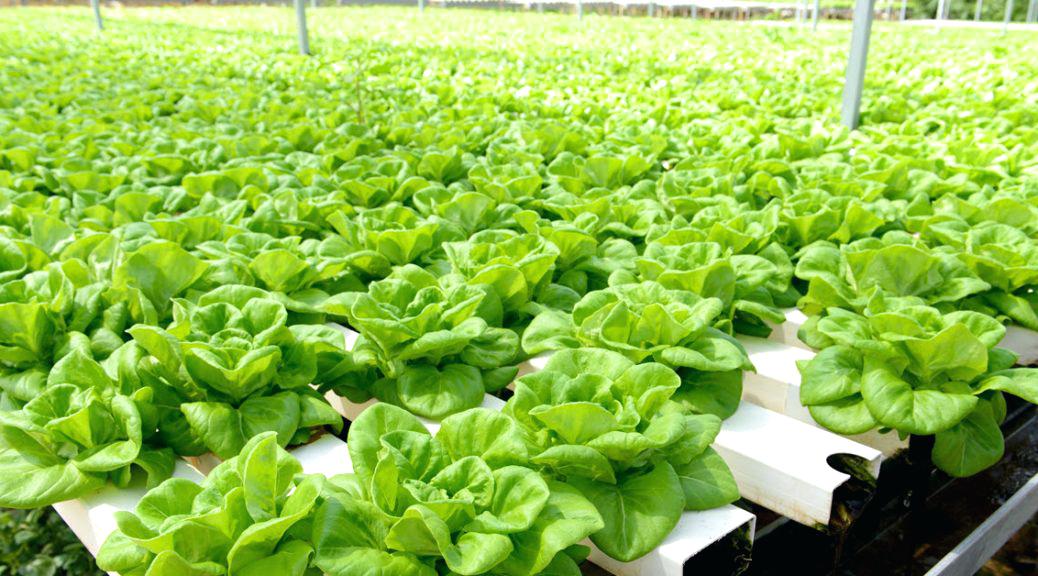
NFT is a hydroponic method that relies on a shallow, sloped trough or channel where a thin film of nutrient solution continuously flows over the plant roots. Here’s how it works:

1. Channel Design: NFT systems typically consist of a series of channels or gutters made from materials like PVC or plastic. These channels are slightly sloped to allow the nutrient solution to flow from one end to the other.

2. Support Structure: Plants, often started as seedlings in individual containers, are placed in holes or small pots within the channel. A support structure holds the plants in place, ensuring they remain in contact with the nutrient film.

3. Constant Flow: A pump circulates the nutrient solution from a reservoir to the highest end of the channel. Gravity then causes the solution to flow continuously over the plant roots, creating a thin film.

4. Recirculation: Excess nutrient solution that drains from the channel is collected in a reservoir, filtered, and recirculated through the system to minimize waste.

Advantages of NFT:

1. Water Efficiency: NFT systems are highly water-efficient because they recirculate and reuse the nutrient solution.

2. Nutrient Precision: Growers have precise control over the nutrient solution’s composition and concentration, ensuring that plants receive the exact nutrients they need.

3. Oxygenation: The thin film of nutrient solution provides oxygen to the roots, promoting healthy growth and reducing the risk of root diseases.

4. Space Efficiency: NFT systems are space-efficient, making them suitable for both small-scale and large-scale operations.

5. Year-Round Cultivation: NFT allows for year-round cultivation of various crops, regardless of outdoor weather conditions.

Setting Up an NFT System:

Here are the key steps to set up an NFT system:

1. Channel Installation: Install the channels or gutters at a slight slope, ensuring a continuous flow of nutrient solution from the highest end to the lowest end.

2. Support Structure: Create a support structure or framework to hold the plants and secure them in the channels.

3. Nutrient Reservoir: Set up a reservoir to hold the nutrient solution. This should include a pump to circulate the solution to the top of the channels.

4. Tubing and Connections: Use tubing and connectors to create a closed-loop system that connects the reservoir to the channels. Ensure that the tubing is securely connected to prevent leaks.

5. Plant Placement: Place seedlings or young plants into the holes or pots in the channels, ensuring that their roots come into contact with the nutrient film.

6. Adjust Nutrient Solution: Mix the nutrient solution according to the specific requirements of the plants you’re growing. Monitor and adjust pH and electrical conductivity (EC) levels as needed.

Maintenance and Care:

Proper maintenance is crucial for the success of your NFT system:

1. Monitor Flow: Regularly check that the nutrient solution is flowing smoothly through the channels. Clear any blockages or obstructions.

2. pH and EC: Keep a close eye on pH and EC levels, adjusting them as necessary to maintain the ideal nutrient balance.

3. Cleanliness: Maintain good hygiene in the system to prevent algae growth and contamination. Regularly clean the channels and reservoir.

4. Plant Health: Inspect plants for signs of stress, nutrient deficiencies, or diseases. Address issues promptly to prevent further damage.

5. Nutrient Solution: Replace and replenish the nutrient solution as needed to ensure that it remains fresh and nutrient-rich.

Sustainability and Year-Round Cultivation:

NFT systems contribute to sustainability and year-round crop cultivation:

1. Water Conservation: NFT systems use significantly less water compared to traditional soil-based farming, making them an environmentally friendly choice.

2. Reduced Pesticide Use: The controlled environment of NFT reduces the need for pesticides, promoting healthier produce.

3. Year-Round Harvest: By allowing for year-round cultivation, NFT systems reduce the need for long-distance transportation of produce, lowering carbon emissions.

In conclusion, the Nutrient Film Technique is a highly efficient and precise hydroponic system that offers numerous advantages for growers. By providing plants with a continuous flow of nutrient-rich water and oxygen, NFT systems foster healthy growth and high yields. Whether you’re a hobbyist or a commercial grower, NFT can be a sustainable and productive way to cultivate a variety of crops in a controlled environment.