Breaking Point: Recognizing When Water Damage Demands Action
Water damage can be insidious, creeping into your property silently and causing havoc before you even notice. As a property owner or manager, it’s vital to recognize the signs of water damage and act promptly to mitigate its effects. Discover the most effective techniques for handling water damage repairs and reclaiming your home’s safety and aesthetics. In this comprehensive guide, we will shed light on the critical aspects of identifying and addressing water damage, emphasizing the importance of swift action and effective restoration.
Understanding Water Damage
What is Water Damage?
Water damage refers to the destruction or deterioration of a material or system due to water intrusion. This can result from various sources, including natural disasters like floods, heavy rainfall, or even man-made problems like plumbing leaks, burst pipes, or appliance malfunctions. The impact can range from mild dampness to severe structural damage, depending on the extent and duration of exposure.
Types of Water Damage
Water damage can be categorized into various types based on the source and the level of contamination:
1. Clean Water Damage
Clean water damage originates from a clean and uncontaminated source, such as broken pipes, sink overflows, or rainwater. While this water is initially safe, it can become contaminated if left unattended for an extended period.
2. Greywater Damage
Greywater damage involves slightly contaminated water, usually from appliances like washing machines, dishwashers, or sump pump failures. This water may contain chemical or biological elements that could pose health risks.
3. Blackwater Damage
Blackwater damage is the most severe category, involving highly contaminated and dangerous water. This water comes from sewage backups, flooding from rivers or streams, or standing water with microbial growth. It presents serious health risks and should be handled with extreme caution.

Recognizing the Signs of Water Damage
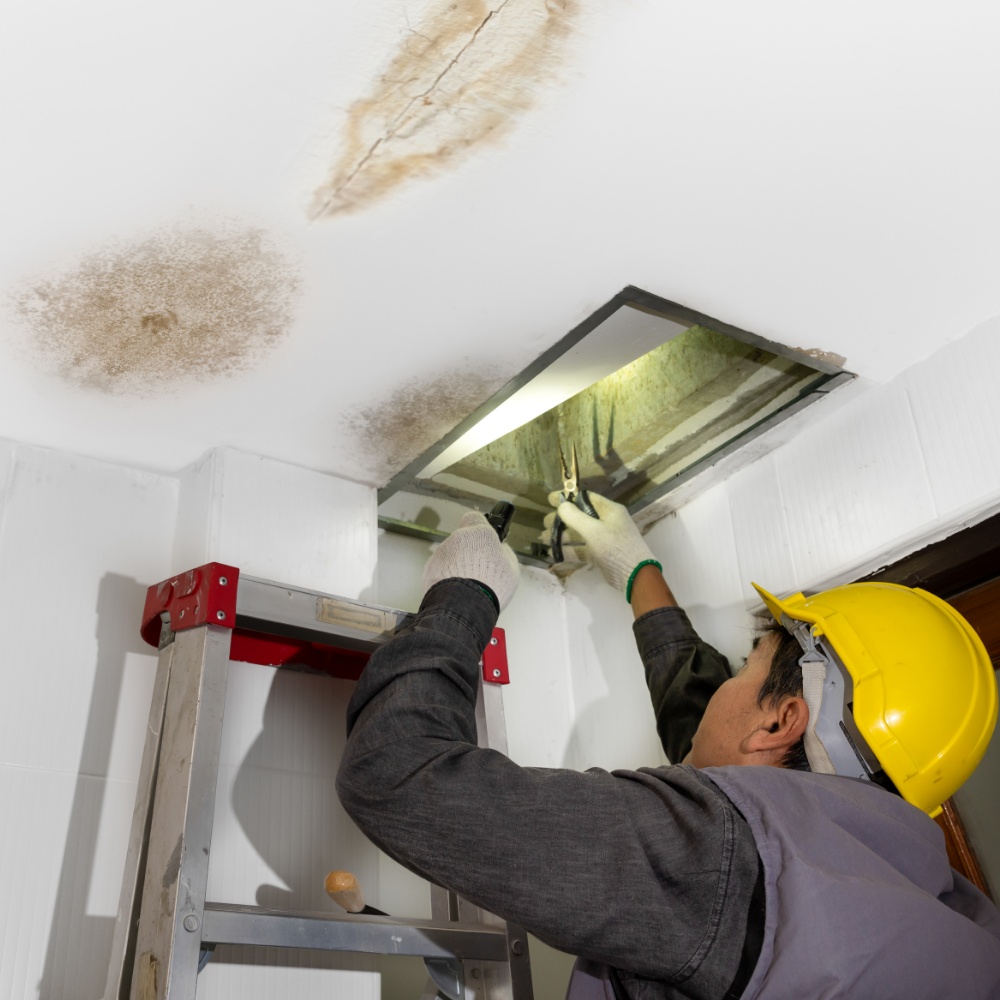
1. Discoloration and Stains
Unexplained stains on ceilings, walls, or floors could indicate a leaky roof, pipe, or appliance. These stains often start as small patches but can grow over time if the water source remains unchecked.
2. Musty Odors
A persistent musty smell, often resembling dampness or mold, could be a sign of hidden water damage. Mold and mildew thrive in damp environments and can release unpleasant odors.
3. Warped or Buckled Flooring
Wooden flooring or laminates may warp or buckle when exposed to water, indicating water has seeped into the material. This not only looks unsightly but can compromise the structural integrity of the flooring.
4. Mold Growth
The presence of mold or mildew, often visible as dark patches or fuzzy growth, suggests excessive moisture accumulation. Mold can cause health issues and further damage the property if not addressed promptly.
Taking Action: Steps to Address Water Damage
1. Assess the Situation
Upon identifying signs of water damage, conduct a thorough assessment to determine the extent of the damage and potential safety risks. This will help in devising an appropriate action plan.
2. Stop the Source
If possible, identify and stop the source of water intrusion to prevent further damage. This could involve shutting off water mains, fixing leaks, or addressing appliance malfunctions.
3. Remove Standing Water
Promptly remove any standing water using pumps, vacuums, or other water extraction equipment. The faster the water is removed, the lower the risk of extensive damage.
4. Dry and Dehumidify
Thoroughly dry affected areas using fans, dehumidifiers, and proper ventilation. Complete drying is crucial to prevent mold growth and further structural damage.
5. Disinfect and Clean
Disinfect and clean all affected surfaces to minimize health risks associated with contaminated water. Use appropriate cleaning agents to ensure a safe environment.
Conclusion
Recognizing the breaking point when water damage demands action is essential for preserving the integrity and safety of your property. Understanding the types of water damage, identifying signs of damage, and taking swift and appropriate action can make a significant difference in the outcome of a water damage incident. Remember, addressing water damage promptly and effectively can save you from extensive repairs and potential health hazards.